Peak Output Measures Capacity. EVZ Measures Development.
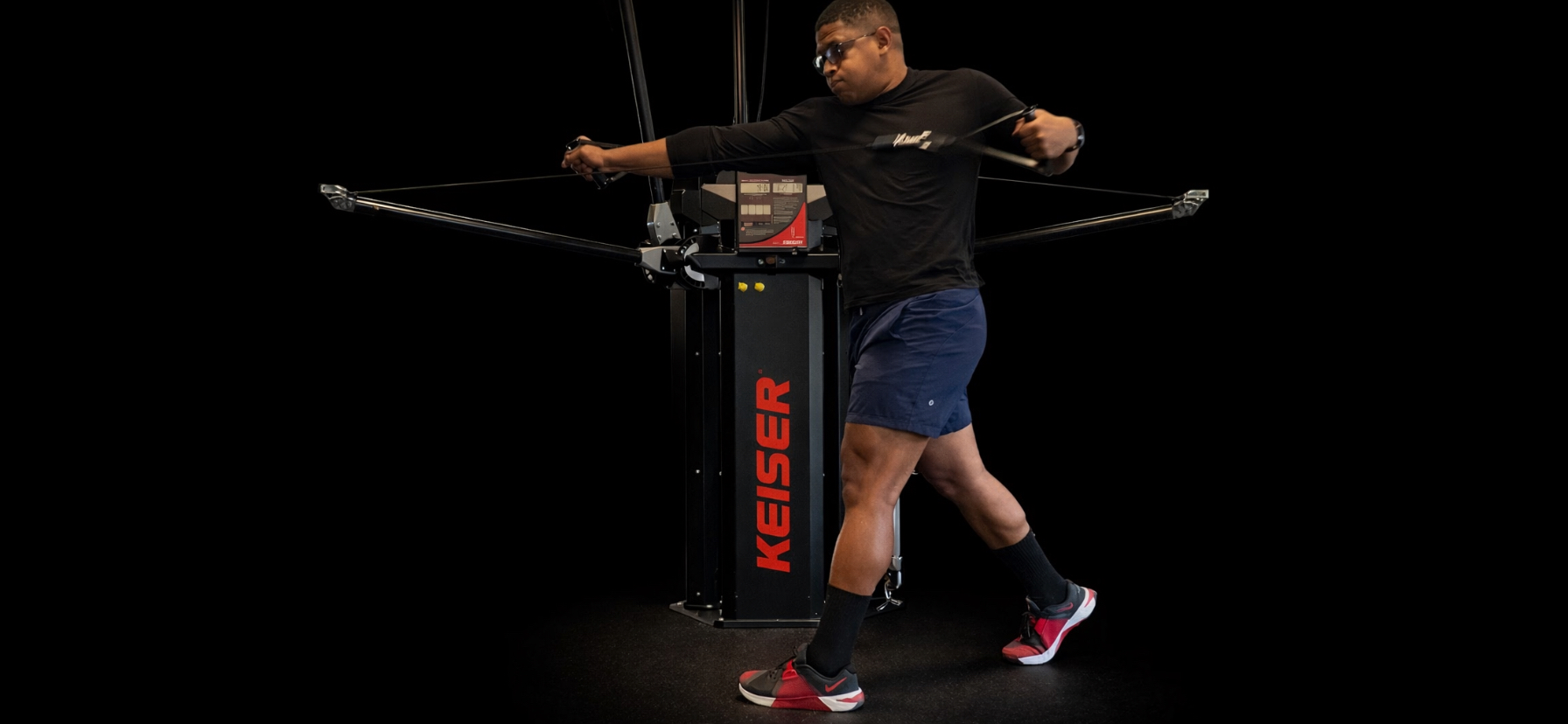
Output Is a Measurement. Performance Is a Pattern.
Performance technology provides coaches with more objective data than ever before.
We can measure:
- Peak power
- Average velocity
- Sprint speed
- Club head speed
- Bar velocity
- Throwing velocity
These metrics tell us what an athlete produced.
They do not fully explain how that performance behaves once it must be repeated.
That is the distinction between measurement and interpretation.
What Traditional Metrics Tell Us
Peak output identifies an athlete’s capacity.
Average output helps describe performance within a specific effort.
Both measurements are valuable.
But neither fully answers the question coaches ultimately care about:
Will this performance still be available when it matters most?
Competition rarely rewards one exceptional repetition.
It rewards repeated execution.
Performance Is More Than a Number
When output is evaluated across repeated exposures, new information becomes available.
Coaches begin to observe:
- Output retention
- Performance stability
- Fatigue response
- Performance variability
- Adaptation over time
Instead of viewing performance as isolated measurements, it becomes a behavioral pattern.
That behavioral perspective provides the missing layer between testing and coaching.
Measuring Performance Behavior
Within the Evans Velo Zone™ methodology, repeated-performance behavior is measured using the Retainable Power Index (RPI™).
RPI evaluates how effectively an athlete retains their highest demonstrated output across repeated exposures.
Peak measurements establish capacity.
RPI evaluates reliability.
Together they provide a more complete understanding of athletic performance.
The EVZ Perspective
The EVZ methodology does not replace traditional performance testing.
It builds upon it.
Peak output remains important.
Average output remains useful.
Repeated-performance analysis adds another layer by helping coaches understand how performance behaves under continued demand.
That additional information supports better programming, more objective progress tracking, and greater confidence in coaching decisions.
A Better Question
Rather than asking only:
How much output can this athlete produce?
Ask:
How much of that output can they consistently retain?
That question shifts coaching from chasing isolated peaks toward developing durable performance.
Because numbers describe output.
Patterns explain performance.