About
Icon
Icon
Book
Icon
Icon
Certification
Icon
Icon
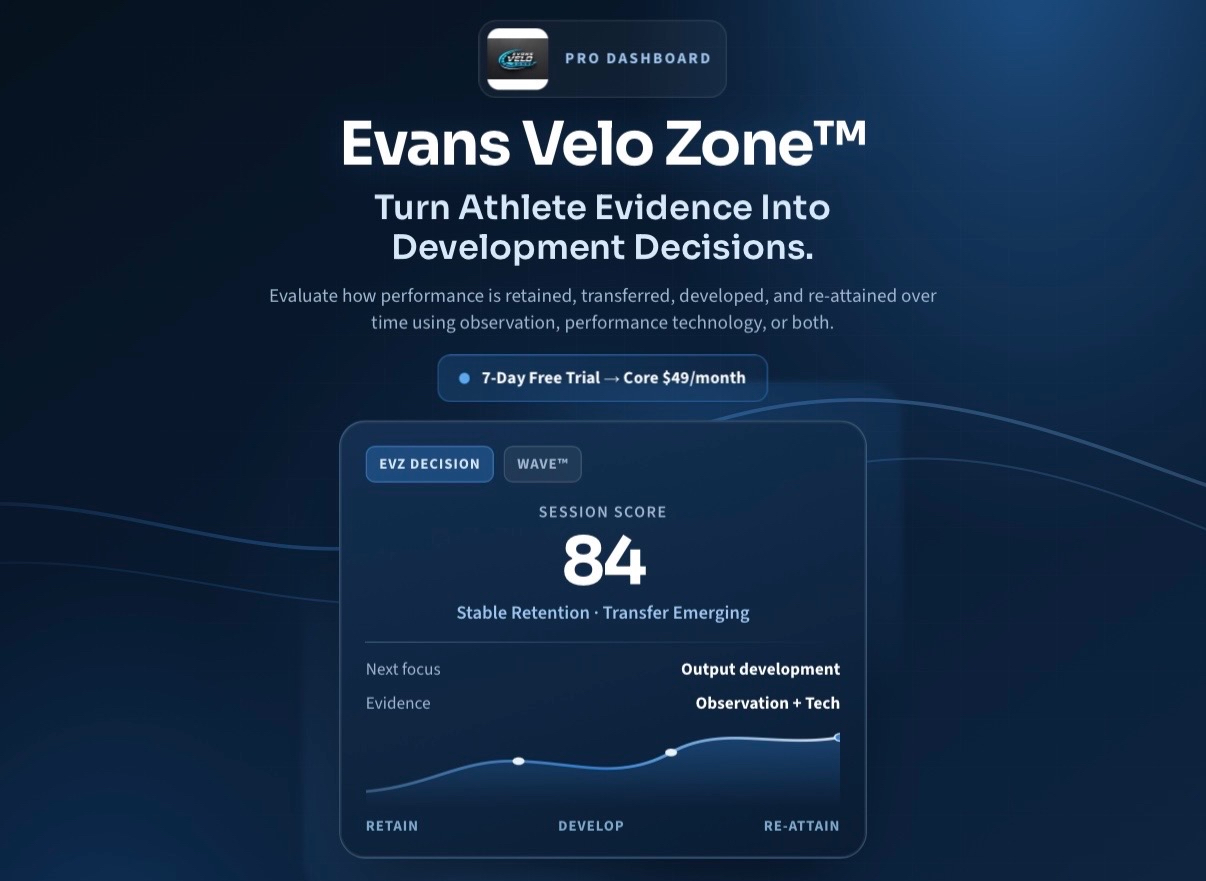
VELO ZONE App
Icon
Icon
Frameworks & Insights
Icon
Icon
Get Certified

Power, Performance, & Transfer

Practical breakdowns, diagnostic frameworks, and applied models for building transferable power and output durability.

Start Here: Measure and Improve Output Repeatability

Follow this progression to identify, analyze, and improve output retention in your training.

  1. Foundation
    • EVZ Definitions™
    • Peak Output Trap™
    • Why Peak Power Doesn't Transfer
    • Hidden Gap Between Strength & Power
  2. Diagnosis
    • How to Spot a Retention Problem in 3 Sets
    • How to Measure Power
    • Drop-Off Threshold Rule™
  3. Programming
    • Output Retention Programming (ORP™)
    • Why Optimal Load Is Incomplete
    • How to Program for Power Retention
  4. System
    • Power Performance System™
    • Power Retention Model™
    • EVZ Wave™
  5. Application
    • Retainable Power Index (RPI™)
    • Weightlifting Case Study
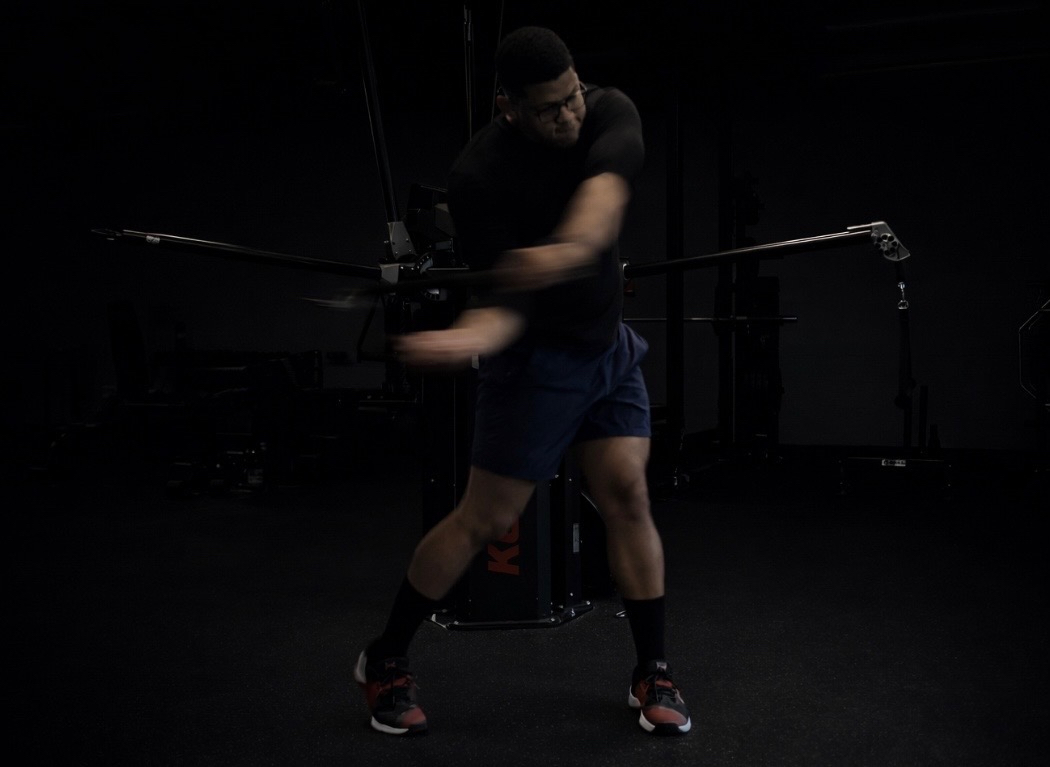
    • Golf Lateral Power Case Study
  • RPI Score System ($19.99)
    Measure how well your performance holds across sets
  • Program Audit ($29.99)
    Identify where output breaks down in your training
  • Retention Block ($39.99)
    Improve your ability to maintain performance
  • EVZ Starter Kit ($49.99)
    Learn the full system to build repeatable output

Why the NFL Combine Is Incomplete Without Durability Metrics

Why the NFL Combine misses a key performance factor: output durability. Learn how repeatable performance under fatigue impacts real NFL success.
Steve Evans Jr.
4-18-2026

Why Output Durability Matters in Long-Term Athlete Development (LTAD)

Most athlete development models focus on peak performance. Learn why output durability, how well performance holds under fatigue, is the missing link in long-term athlete development.
Steve Evans Jr.
4-16-2026

From Golf to Olympic Weightlifting: What Actually Transfers in Performance

Performance breakdown isn’t sport-specific—it follows the same pattern from golf to Olympic weightlifting. Athletes don’t lose performance because they lack power, but because they can’t reproduce it across repeated efforts. The EVZ RPI system measures how well output holds over time, using both technology and simple observation, turning performance drop-off into clear, actionable training decisions.
Steve Evans Jr.
4-10-2026

Why Athletes Fade (And Why Everyone Explains It Differently)

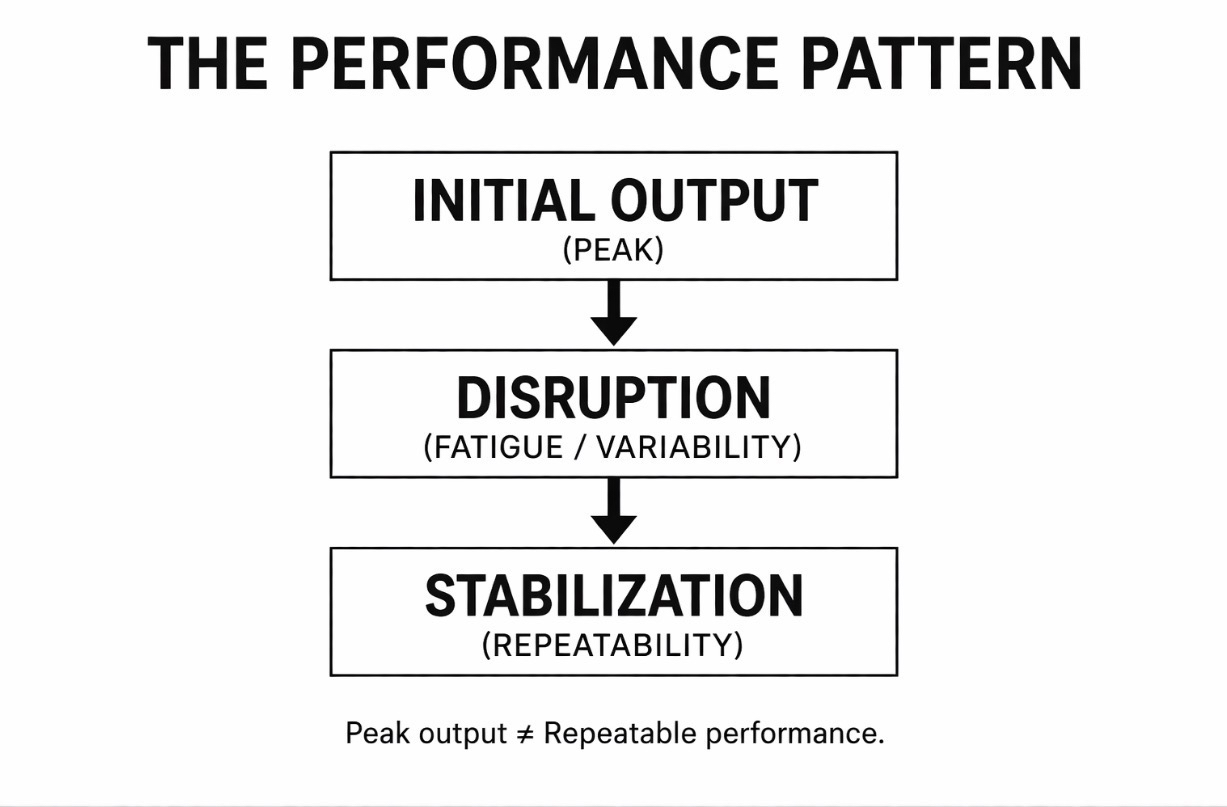
Athletes don’t fade simply because of fatigue. Across sports, performance drop-off shows up as reduced ability to reproduce output after the first effort. While fatigue, mechanics, and mental factors all contribute, the key difference between athletes is how well they maintain output under those conditions. Peak output shows potential—repeatable output determines performance.
Steve Evans Jr.
4-4-2026

Why This Golfer Became More Consistent in 3 Weeks (Without Chasing Peak Power)

This case study shows how improving re-attainment—the ability to reproduce power across repeated efforts—enhances sport performance without increasing peak output. Across a professional, amateur, and recreational golfer, output became more consistent over 3–4 weeks as variability decreased and re-attainment stabilized. A repeatable adaptation pattern emerged: initial exposure → disruption → stabilization, directly aligning with improved swing consistency and performance. Peak output is potential. Re-attainment is performance.
Steve Evans Jr.
4-1-2026

EVZ Definitions™

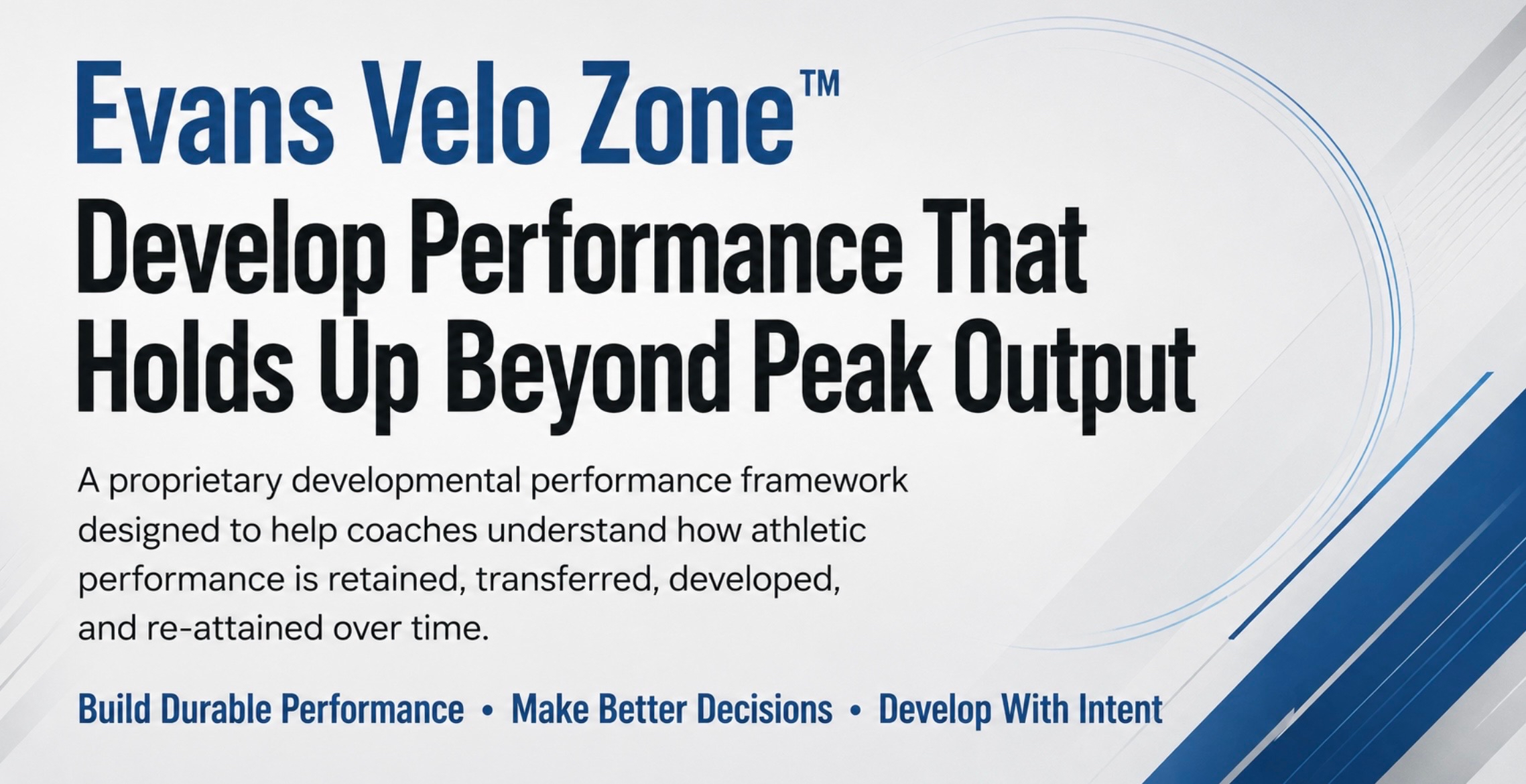
The EVZ Definitions Framework™ is a structured system that defines how athletic power behaves across repeated efforts rather than focusing solely on peak output. It introduces key concepts such as retention, re-expression, output behavior, and drop-off to describe how performance is sustained, declines, or stabilizes under fatigue. By standardizing terms like retainable output, retention profile, and output decay rate, the framework enables coaches to diagnose performance breakdowns more accurately and apply retention-driven programming strategies. This approach improves performance consistency, durability, and transfer to sport, forming the foundation for applied models such as the 3 Sets Diagnostic™, Drop-Off Threshold Rule™, and Output Retention Programming (ORP™).
Steve Evans Jr

The Power Performance System™

The Power Performance System™ is a performance training framework that evaluates athletic power beyond peak output. Instead of focusing only on how much power an athlete can produce once, it examines four key layers of performance: capacity, retention, re-expression, and transfer. Capacity measures maximum output, retention measures how well output holds across repeated efforts, re-expression measures the ability to reproduce output after decline, and transfer measures whether training outputs show up in real sport performance. This system helps coaches identify why athletes may improve strength or peak power without becoming more consistent performers, and it provides a structured way to build durable, repeatable, and transferable power.
Steve Evans Jr.

The Drop-Off Threshold Rule™

The Drop-Off Threshold Rule™ is a training framework used to determine when a decline in output across repeated sets becomes meaningful and requires adjustment. While some level of fatigue-related drop-off is normal, excessive or rapid declines in output can indicate retention issues that negatively impact performance. This framework categorizes output behavior into acceptable, controlled, and critical zones, allowing coaches to differentiate between normal fatigue and performance breakdown. By applying this rule, programming becomes more precise, responsive, and aligned with maintaining consistent output across repeated efforts rather than focusing solely on peak performance.
Steve Evans Jr.

Output Retention Programming (ORP™)

Output Retention Programming (ORP™) is a training framework that focuses on how power and output are maintained across repeated efforts rather than how they are expressed at a single peak. Traditional programs often prioritize strength and peak performance metrics, but fail to account for how output declines, stabilizes, or fluctuates under fatigue. ORP™ addresses this by controlling exposure, tracking output across sets, identifying behavioral patterns, and adjusting programming based on those patterns. This approach improves performance consistency, durability, and transfer to sport by emphasizing repeatability rather than isolated peak expression.
Steve Evans Jr.

The Peak Output Trap™

The Peak Output Trap™ describes a common issue in athletic training where programs focus on maximizing peak power or strength without accounting for how that output behaves across repeated efforts. While athletes may demonstrate improved top-end performance, their ability to retain, reproduce, and stabilize that output under fatigue often declines. True performance is not defined by a single peak, but by how consistently output can be maintained across sets and conditions. Effective programming shifts focus from peak expression to output retention, repeatability, and transfer.
Steve Evans Jr.

The Retainable Power Index (RPI™)

The Retainable Power Index (RPI™) measures how much power an athlete can sustain across sets—not just how high they can peak. By focusing on repeatable output instead of isolated performance, RPI provides a clear, actionable framework for identifying fatigue, improving training decisions, and ensuring performance actually transfers.
Steve Evans Jr

The Power Retention Model™

The Power Retention Model defines performance as the ability to sustain high power output across repeated efforts, shifting the focus from peak output to consistency, durability, and real-world transfer.
Steve Evans Jr.

The 3 Sets Diagnostic™

The 3 Sets Diagnostic Framework is a method for evaluating whether power output is truly transferable by measuring how well it is maintained across three sequential efforts. Rather than focusing on peak performance alone, it identifies whether an athlete can reproduce and sustain output under fatigue—revealing the difference between potential and real performance.
Steve Evans Jr.

How to Program for Power Retention (Why Peak Output Doesn't Transfer)

Most athletes are getting stronger—but performance still doesn’t follow. Learn how to program for power retention, improve repeatability, and build output that actually transfers to sport.
Steve Evans Jr.
3-23-2026

How to Measure Power in Athletes (And What Most Tests Miss)

This article explains how to measure power in athletes beyond peak output, highlighting what traditional tests miss and how output behavior across repeated efforts influences real performance in sport.
Steve Evans Jr.
3-20-2026

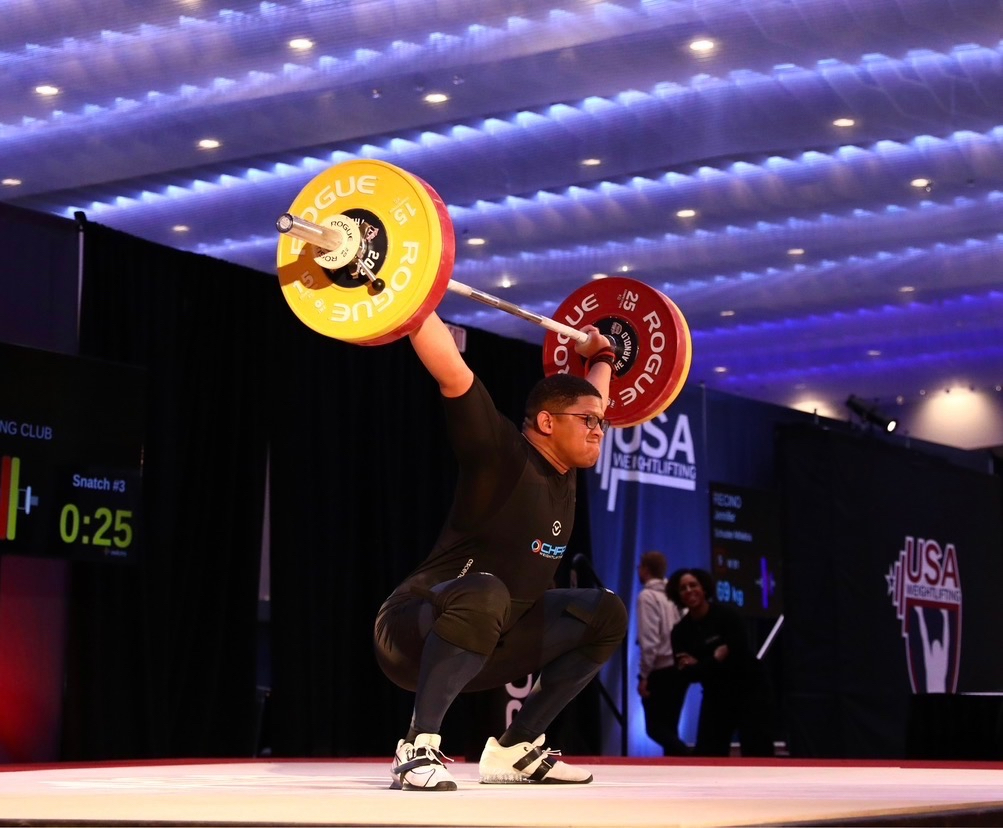
Why PRs Can Stay Elusive in Olympic Weightlifting – Even When Strength Improves

Why do performance outcomes remain inconsistent even as strength improves? This article explores the gap between peak output and repeatable performance—and why the ability to maintain and re-express power across repeated exposures is what ultimately determines success, not just in weightlifting, but across sport.
Steve Evans Jr
3-19-2026

Why Some Explosive Athletes Still Underperform – A Programming Perspective

This article explores why peak power alone doesn’t always translate to sport performance. It introduces the concept of power retention and explains how the Evans Velo Zone™ framework helps coaches program for durable, repeatable output rather than isolated peak expression.
Steve Evans Jr
3-14-2026

Why Peak Power Doesn't Guarantee Performance: The Case for Power Retention In Sport Performance

Peak power is often used to evaluate explosive performance, but sport rarely occurs under single-effort conditions. This article introduces the concept of power retention and explains how the Evans Velo Zone™ (EVZ) framework evaluates how output behaves across repeated efforts—offering newcomers a clear introduction to what EVZ is and why durability of power may determine real sport performance.
Steve Evans Jr
3-11-2026

Predictable Performance: How Prioritizing Power Retention and Transfer Produced a 6/6 Competition Result

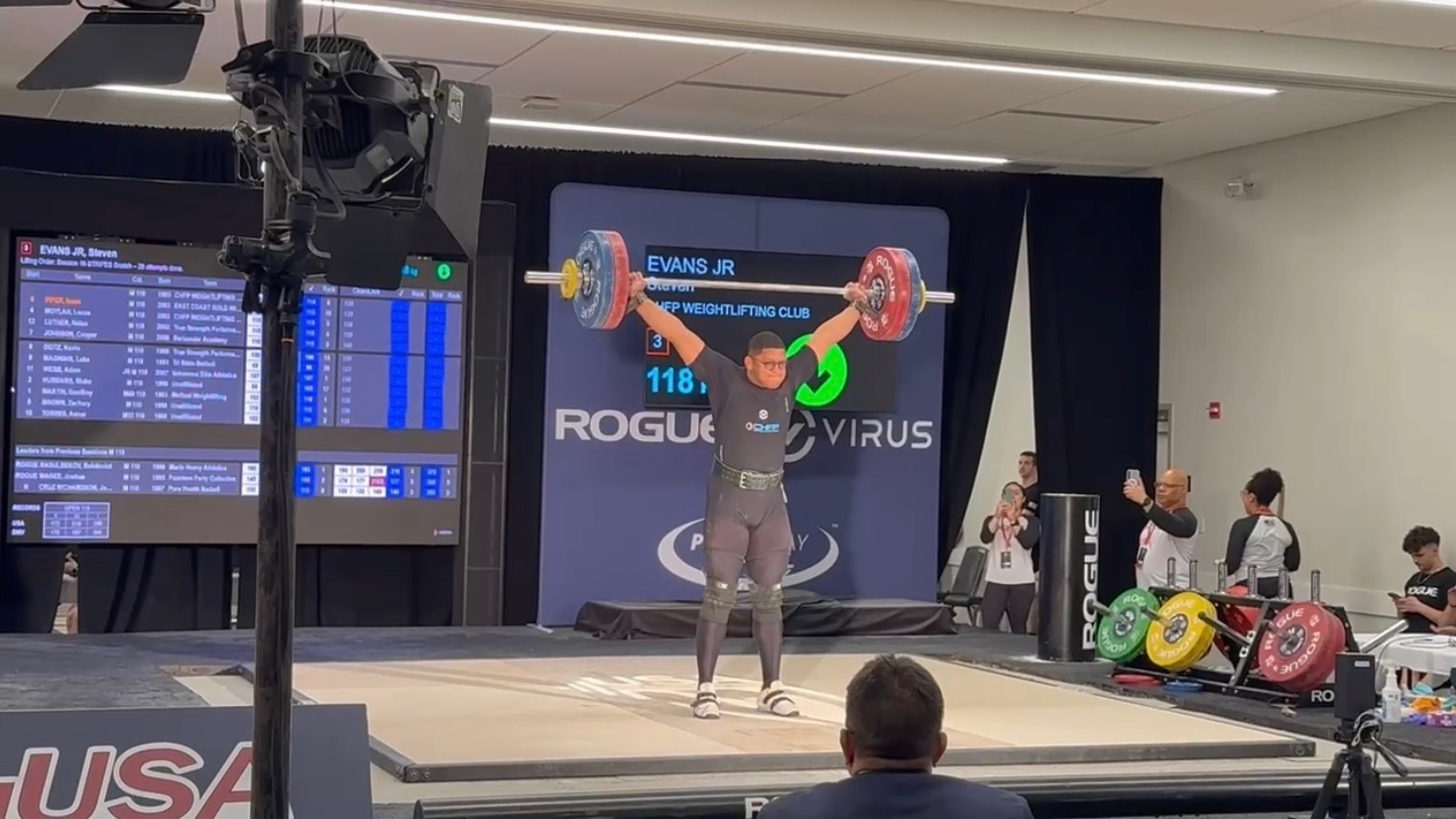
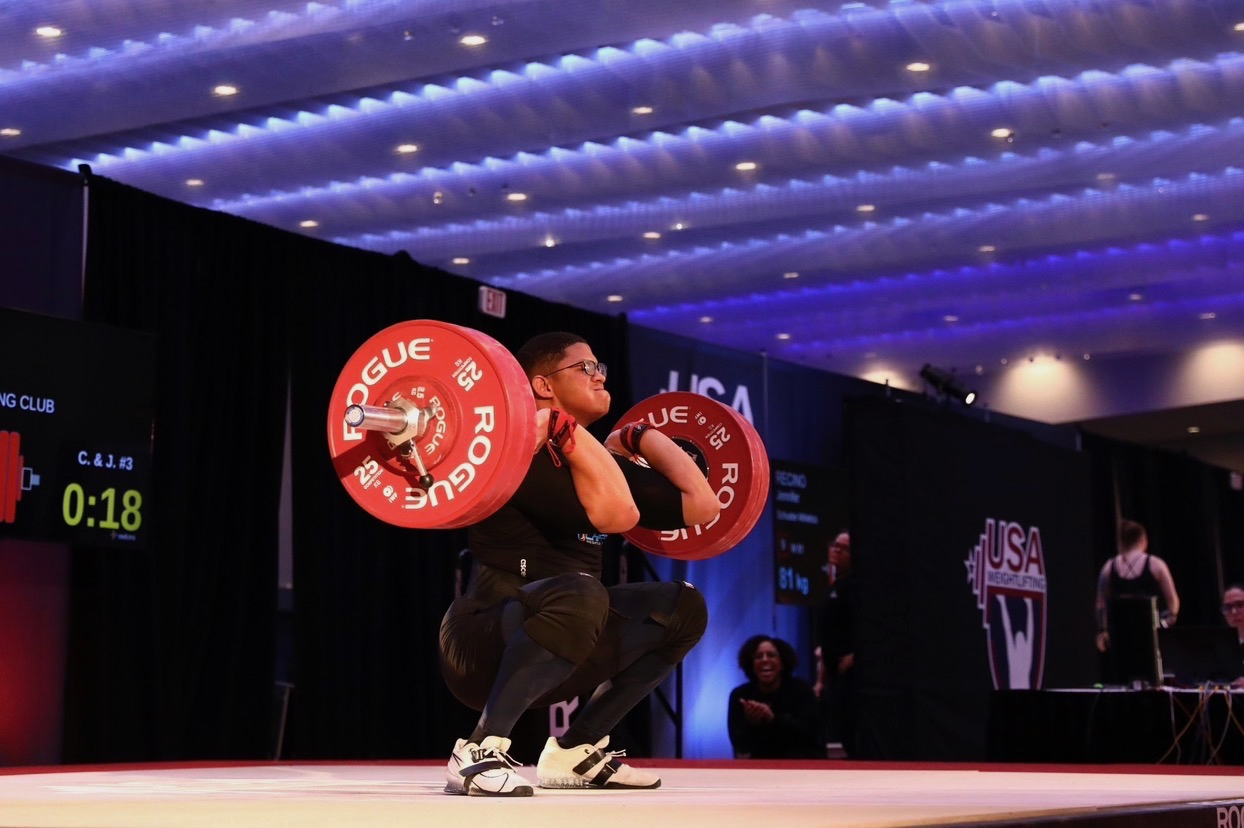
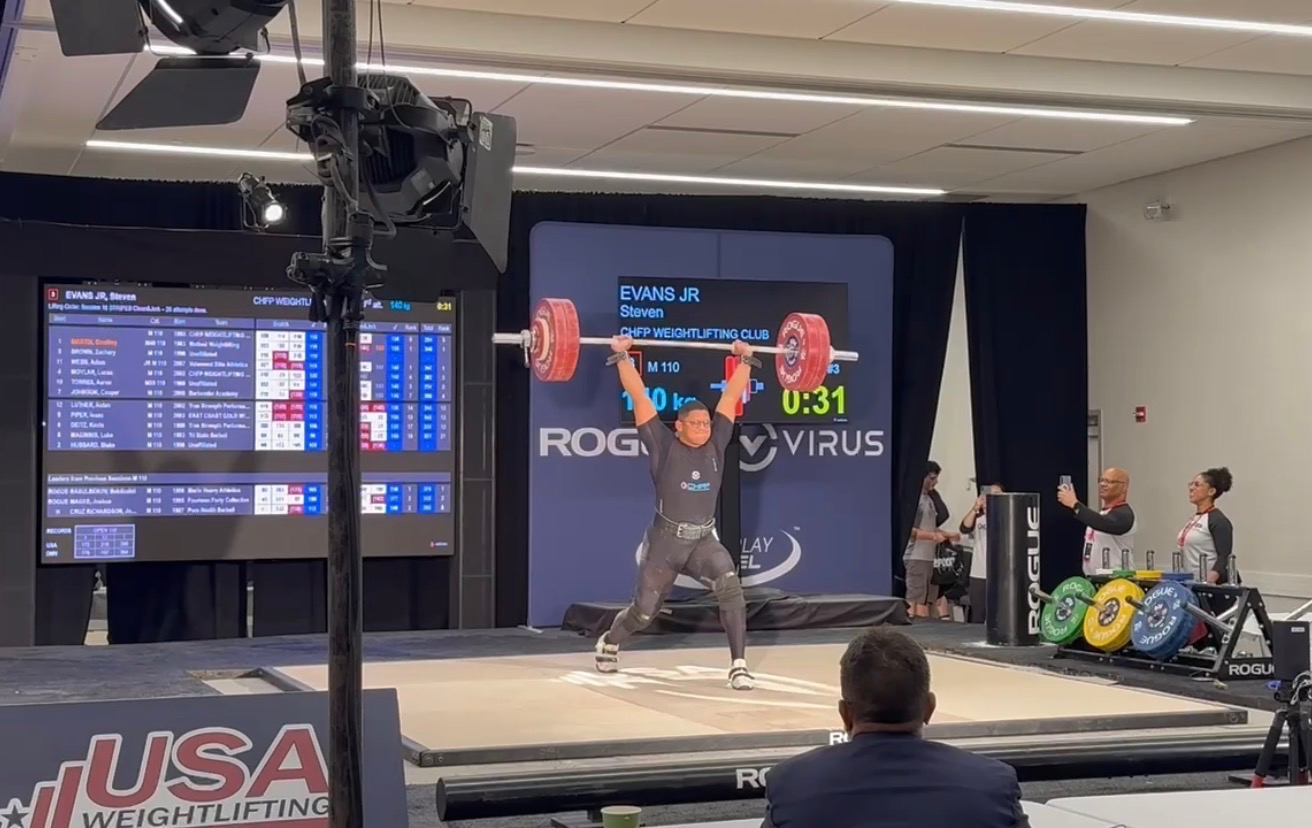
This case study examines how consistent heavy singles and power retention produced a 6-for-6 competition performance with PRs in both lifts. Using Olympic weightlifting as the testing environment, the article introduces the EVZ framework, which prioritizes retention and transfer of power across repeated efforts rather than chasing isolated peak outputs.
Steve Evans Jr
3-9-2026

Case Study: When Power Doesn't Reappear – Diagnosing Lateral Re-Expression Deficits in a Professional Golfer

This case study examines a professional golfer whose power profile revealed an important diagnostic distinction. While peak outputs across vertical, horizontal, and rotational movements were strong, lateral power showed reduced re-expression across repeated exposures. Using the Evans Velo Zone™ diagnostic framework, this pattern highlights how directional durability—not just peak output—can influence performance stability in rotational sport. The analysis demonstrates how retention mapping can reveal subtle imbalances that traditional peak testing may overlook, providing coaches with clearer insight into how power behaves under repeated competitive demands.
Steve Evans Jr
3-5-2026

The Missing Layer in Strength & Conditioning Education

Strength and conditioning education has made major advances in developing peak power, but competition rarely occurs under ideal conditions. This article explores the emerging gap between peak output and output durability—how well athletes preserve and re-express power under fatigue, density, and repeated effort. It introduces a broader perspective on performance development that integrates peak capacity with output sustainability, expanding how coaches evaluate and develop power in sport.
Steve Evans Jr
3-4-2026

Why Optimal Load Is Incomplete Without Retention Mapping

Optimal load helps identify where an athlete produces peak output — but sport rarely occurs under ideal peak conditions. This article explores why measuring output durability across progressive exposure is essential for understanding true transfer. Learn how retention mapping expands traditional peak-centric models to better reflect how athletes perform under fatigue, density, and competitive stress.
Steve Evans Jr
2-27-2026

What Is the Evans Velo Zone Wave™?

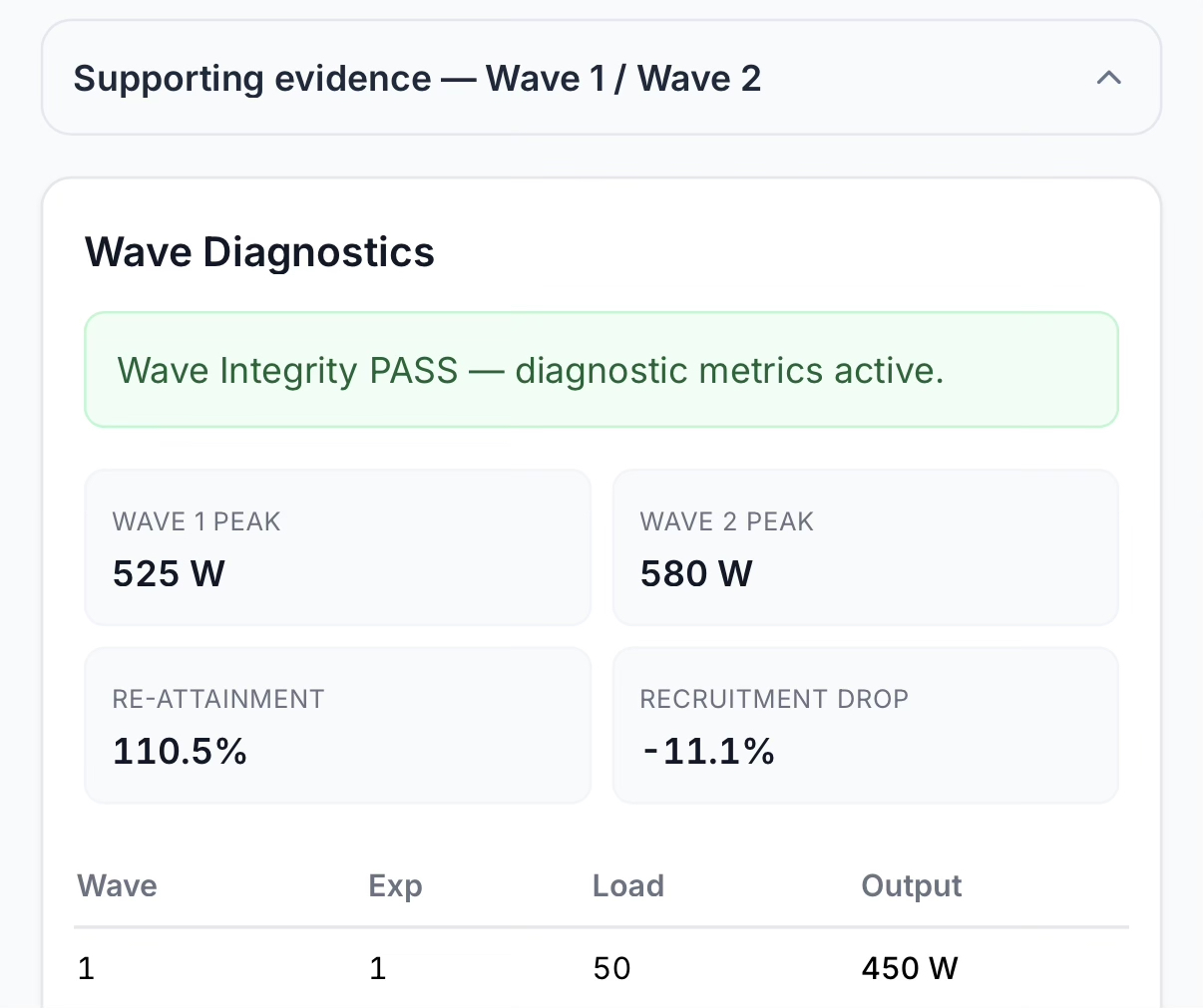
Many traditional power tests focus on peak or average velocity, but sport performance depends on how power is retained and re-expressed across sequences. The EVANS VELO ZONE™ Wave introduces a structured diagnostic framework that evaluates power stability, decay patterns, and transfer viability under controlled load shifts—revealing what traditional metrics often miss.
Steve Evans Jr
2-24-2026

How to Spot a Retention Problem in 3 Sets – Before It Costs Performance

Identify power retention breakdown in 3 sets using velocity-based training principles. Learn to prevent stalled performance and improve sport transfer.
Steve Evans Jr
2-21-2026

The Hidden Gap Between Strength Gains and Power Performance Gains

This article explains why programs stall despite strong numbers and how true power performance depends on retention, transfer, and directional consistency, not just chasing peaks or averages.
Steve Evans Jr.
2-14-2026

Peak Velocity Is Capacity, Average Velocity Is Consistency, But Neither Alone Explains Durability

Peaks impress, averages reveal, and durability decides. Discover why power development stalls and what metrics actually predict lasting performance.
Steve Evans Jr.
2-7-2026

Why Peak Power Isn't the Problem (And Why Many Programs Stall)

Peak power isn't the limiter, what happens after the first rep is. Learn why many programs stall, and how retention and re-expression decide real performance.
Steve Evans Jr.
1-20-2026

The pros use their legs to bomb it. One piece of gym equipment can help you do the same

Learn how to use medicine-ball training to build rotational power and improve golf swing sequencing, with expert commentary on common faults, proper coaching cues, execution tips, and video demonstrations contributed by performance coach Steve Evans.
Ron Kaspriske featuring Steve Evans Jr
5/9/2025

These 3 strength-training exercises are great for golfers if done correctly (that's the catch)

Golf Digest editor Ron Kaspriske explores classic weightlifting exercises for golfers, with exercise programming, video demonstrations, and training explanations developed by Steve Evans Jr to help improve strength, mobility, and swing power.
Ron Kaspriske featuring Steve Evans Jr
12/13/2024

Olympic Weightlifting Applications for Golf Fitness and Performance

Explore how Olympic weightlifting can improve golf performance by developing explosive force, increasing club head speed, and enhancing swing mechanics practical insights for coaches and athletes.
Steve Evans Jr
6/1/2022

4 Mistakes I Made as I Started Training

Steve Evans reflects on the four biggest mistakes he made when he first started training — from skipping structured programs to overlooking recovery and coaching — and how these lessons shaped his current approach to performance and consistency.
Steve Evans Jr
5/12/2022

Olympic Weightlifting for Powerful Benefits

Explore the powerful benefits of Olympic weightlifting for athletes and fitness enthusiasts, including full-body strength, explosive power, mobility, and athletic crossover performance.
Steve Evans Jr
4/20/2022

Improve your Strength and Conditioning for Golf Performance

Learn key strength and conditioning strategies to boost golf performance, increase distance and clubhead speed, improve posture and mobility, and reduce injury risk through effective training programs.
Steve Evans Jr
4/20/2022

Train with intent. Perform with durability. Evans Performance develops power that transfers.

Credentials and affiliations reflect the founder's professional background. Logos shown do not imply endorsement or affiliation.

Business Address: 712 H Street NE Suite 1368, Washington, DC 20002
‍
Phone: (301)-684-8279

Pages
Home
Icon
Icon
About
Icon
Icon
Book
Icon
Icon
Certification
Icon
Icon
Frameworks & Insights
Icon
Icon
VELO ZONE APP
Icon
Icon
Get Certified
Contact Us

© 2026 Evans Performance

Website Built by Waleed

PRIVACY POLICY
Icon
Icon
CERTIFICATION TERMS
Icon
Icon
TERMS OF SERVICE
Icon
Icon
DISCLAIMER
Icon
Icon