Why Development, Not Peak Output, Is the Problem
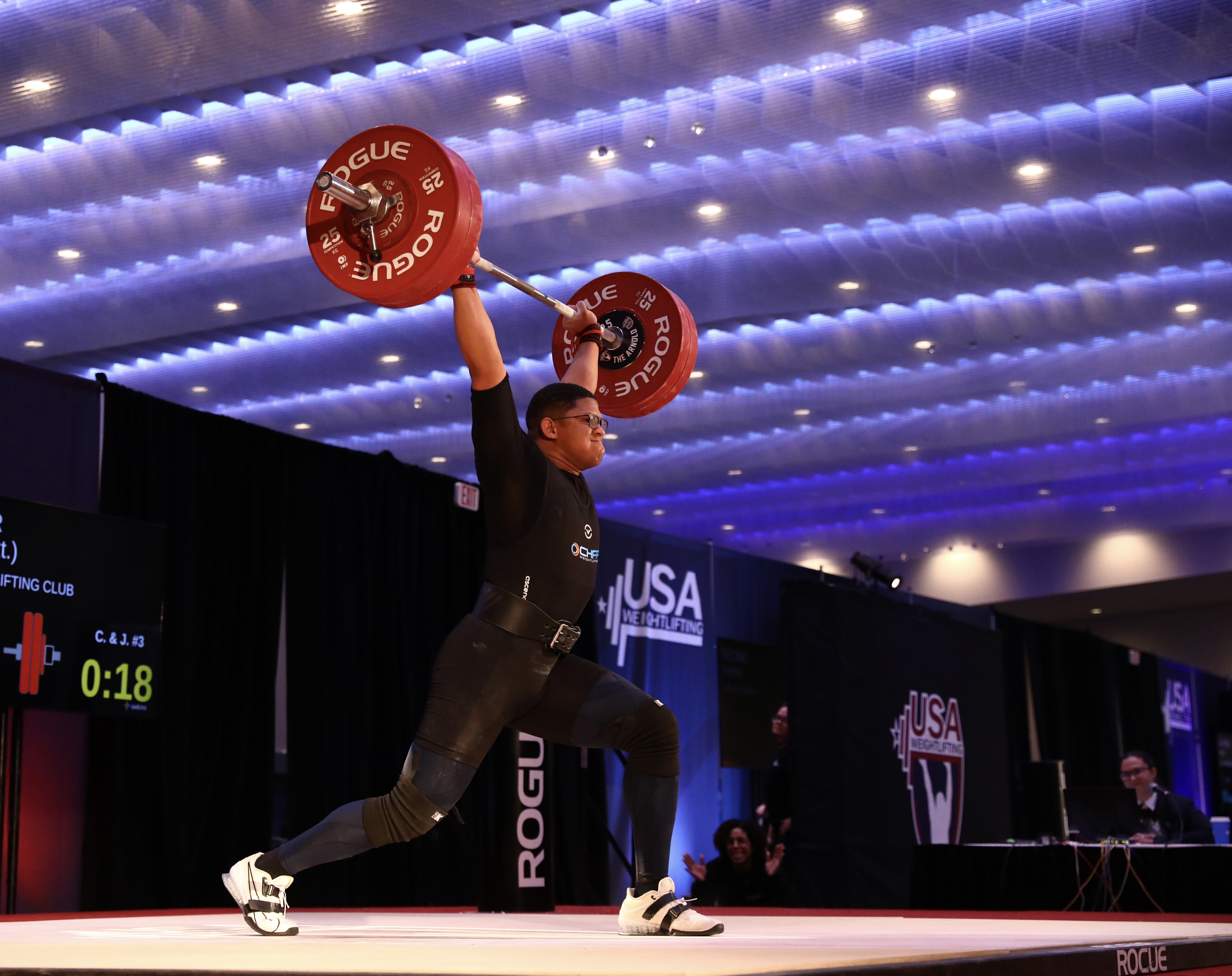
Why Peak Output Doesn’t Always Lead to Better Performance
Athletes become stronger, power increases, velocity improves, personal records continue climbing.
Yet competition results don’t always improve at the same rate.
For many coaches, this creates a frustrating question:
Why does better testing not always produce better performance?
The answer is often found not in an athlete’s capacity, but in their ability to retain that capacity when performance must be repeated.
When Progress and Performance Diverge
Traditional performance testing tells us what athletes can produce under ideal conditions.
Competition asks something different.
• Can they continue producing high-quality performance after repeated efforts?
• Can they maintain technical execution?
• Can they remain explosive as fatigue accumulates?
These questions determine whether increased capacity becomes usable performance.
Capacity Is Only Part of the Equation
Peak output remains an essential performance metric.
It establishes an athlete’s physical potential.
But potential alone does not guarantee consistent execution.
Many athletes can produce exceptional output once.
Fewer can repeatedly reproduce that performance throughout a demanding training session or competition.
The difference is not always strength.
Often, it is performance durability.
What Coaches Often Miss
Programming frequently emphasizes:
- Increasing strength
- Developing power
- Improving velocity
- Expanding work capacity
These adaptations remain important.
The next question is equally important:
How does that performance behave after it has been produced?
Repeated-performance behavior often explains why athletes with similar testing results compete very differently.
Looking Beyond Peak Output
Rather than evaluating only isolated performances, coaches can observe how output changes across repeated exposures.
Repeated-performance analysis reveals:
- Output retention
- Performance stability
- Fatigue response
- Performance variability
- Adaptation across time
These characteristics provide information that isolated peak measurements cannot.
Measuring What Holds
Within the Evans Velo Zone™ methodology, repeated-performance behavior is quantified using the Retainable Power Index (RPI™).
RPI measures how effectively an athlete retains their highest demonstrated output across repeated exposures.
Instead of evaluating only what an athlete can produce, coaches begin evaluating what they can reliably sustain.
Peak measurements establish capacity.
RPI evaluates reliability.
Together they provide a more complete understanding of athletic performance.
Better Information Leads to Better Programming
Once repeated-performance behavior becomes visible, coaching decisions become more precise.
Programming shifts from simply increasing output toward improving the quality and consistency of that output over time.
This allows coaches to determine when athletes should:
- Progress training demand
- Maintain the current approach
- Adjust loading
- Prioritize recovery
Rather than reacting to isolated performances, programming becomes guided by observed performance behavior.
Who Benefits Most?
This perspective is particularly valuable for coaches working with athletes who depend on explosive, repeatable performance.
Whether coaching:
- Olympic weightlifters
- Golfers
- Baseball players
- Tennis athletes
- Team-sport competitors
- Track and field athletes
The challenge remains the same.
Performance must be reproduced, not simply produced.
The EVZ Perspective
The Evans Velo Zone™ methodology expands traditional performance evaluation by adding a behavioral layer.
The Power Retention Model™ explains why repeated performance matters.
The Retainable Power Index (RPI™) measures repeated performance.
Output Retention Programming (ORP™) develops greater performance durability.
Together they help coaches move beyond isolated testing toward a more complete understanding of athletic performance.
Closing Perspective
Increasing capacity will always remain an important objective.
But athletes are rarely limited by what they can produce once.
More often, they are limited by how consistently they can reproduce it.
The future of performance development is not choosing between peak output and durability.
It is understanding how both work together.
Because exceptional performance is valuable.
Repeatable performance wins competitions.